Palm Springs Kitchen Journal is a local resource covering kitchen remodeling in Palm Springs, CA. The guides below explain materials, typical costs, local considerations, and how the work is usually done.
It is five in the afternoon in late July. The sun has swung around to the west, the light is pouring through a wall of glass beside the breakfast table, the oven has been running for an hour, and the air conditioner has not stopped since lunch. Anyone who has cooked dinner in a Palm Springs house during a long Coachella Valley summer knows this moment. The kitchen is usually the hottest room in the home, and a remodel is the best chance you will get to change that.
This article looks at where kitchen heat actually comes from in a hot desert climate, and at the layout, glazing, lighting and appliance decisions that let a remodeled kitchen add far less of it. None of it requires giving up the open, glassy feel that draws people to the city in the first place.
Three sources of heat, and why they stack up
Kitchen heat in Palm Springs arrives from three directions at once. The first is solar gain, meaning sunlight passing through windows and sliding doors and turning into heat once it strikes the floor, the counters and the cabinets. The second is the heat released by cooking itself: burners, ovens, toasters and the warm, moist air that rises off a pot of pasta. The third is the quiet background load from lighting, the refrigerator's condenser, the dishwasher's drying cycle and every small appliance left plugged in.
In a mild coastal city these loads are mostly a nuisance. In the Coachella Valley they arrive on top of outdoor temperatures that stay high well into the evening, so the air conditioner is already working near its limit when you start cooking. The practical goal of a cooler kitchen remodel is to cut each source a little, because small reductions in all three add up to a room that stays comfortable without the thermostat being pushed down.
West facing glass is the biggest single factor
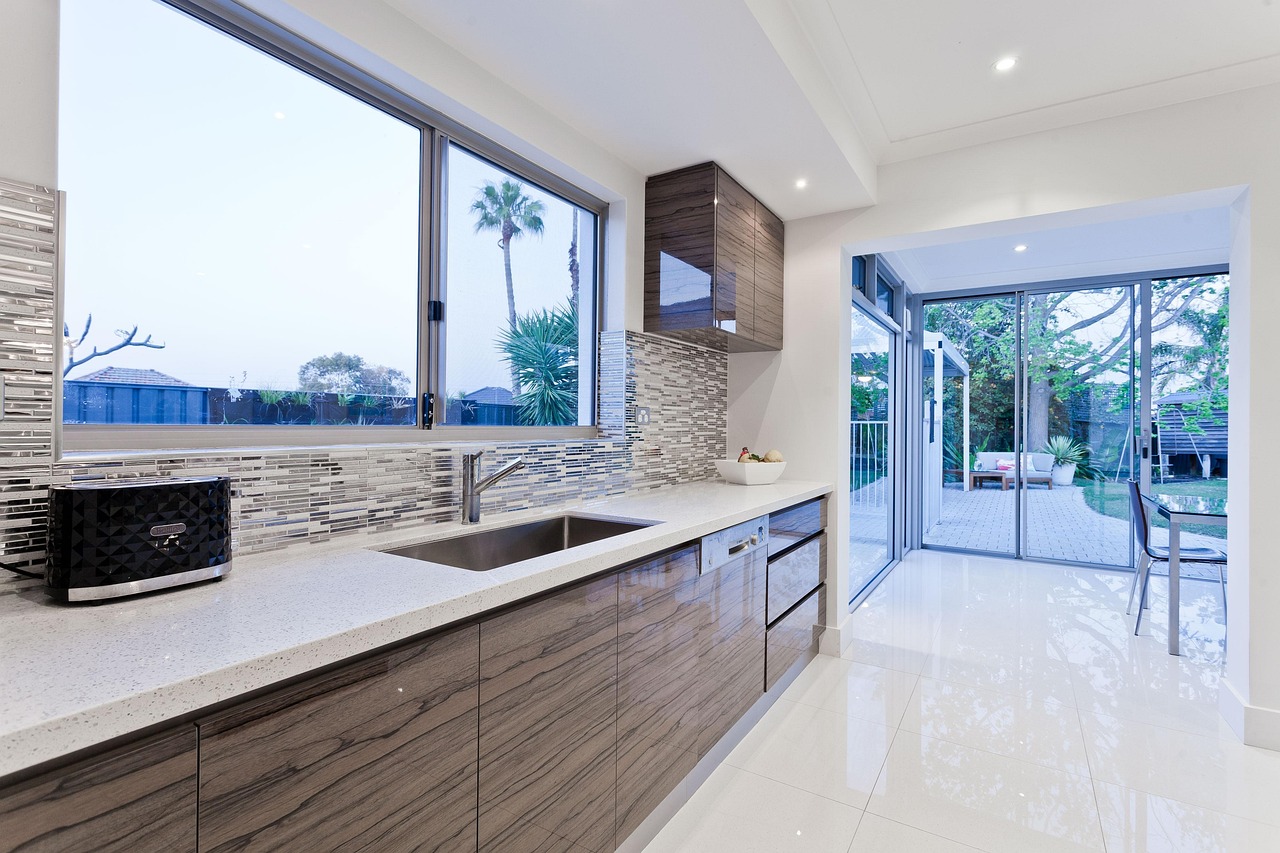
Many houses in Twin Palms, Racquet Club Estates and Deepwell Estates were designed in the Desert Modernism tradition, with walls of glass, clerestory strips and sliding doors that open the kitchen to the yard. That glass is part of what makes these homes special, and it is also the main reason their kitchens overheat. East facing glass gets morning sun while the air is still relatively cool. West facing glass gets the low, intense afternoon sun at the exact hours when the house is already hot and dinner is being made.
If a remodel involves moving the kitchen or rearranging its work zones, it pays to know which walls take the afternoon sun. A cooktop or a main prep counter placed directly in front of west glass puts the cook in the hottest spot in the room at the hottest time of day. Shifting the cooking zone to an interior wall, and letting the glass side become a dining or seating area, keeps the person doing the work out of the direct beam.
Shading from the outside first
Sun stopped outside the glass never becomes heat inside the room. Deep roof overhangs, exterior roll screens, fixed louvers and trellises with shade cloth all block sunlight before it reaches the window. Interior blinds and curtains help with glare, but by the time the light hits them it has already passed through the glass, so a good share of that heat is now inside the house. In Palm Springs, where the sun angle in summer is high at midday and low in the late afternoon, a combination often works best: an overhang for the midday sun and an exterior screen that drops down for the last few hours before sunset.
Exterior shading on a mid century house deserves some thought, because a bulky awning can spoil a clean roofline. Slim motorized screens that retract into a header, or a simple horizontal louver extending the existing roof edge, tend to look far more at home on a post and beam house than a fabric awning does.
Upgrading the glass itself
When windows or sliders are being replaced as part of the remodel, the glass choice matters a great deal. Low-emissivity glass carries a thin metallic coating that reflects much of the sun's infrared energy while still letting visible light through. Spectrally selective versions are made for hot, sunny climates and are designed to keep the room bright while rejecting a large portion of the heat. Dual pane units with an insulating gas fill also slow the transfer of heat from the hot outer pane to the room.
If replacing original glass is not an option, either for budget reasons or because the owner wants to keep original frames, a professionally applied window film can add some of the same heat rejection to existing panes. Film choices range from nearly clear to noticeably tinted. Check the window manufacturer's guidance first, since some films can stress certain types of insulated glass when the sun heats it unevenly.
Cooking appliances that dump less heat into the room
The second heat source is the one people notice most, because it is right in front of them. A gas burner sends a large portion of its heat around the sides of the pan and straight into the kitchen air. Induction cooking works differently: the cooktop creates a magnetic field that heats the pan directly, so far less energy escapes into the room and the glass surface itself stays relatively cool away from the pan. For a summer kitchen in the desert, that difference is easy to feel after twenty minutes at the stove.
Ovens are the other major contributor. A few practical choices help:
Look for good oven insulation. Better insulated ovens keep their heat inside the cavity instead of radiating it through the door and sides.
Consider a combination steam or convection countertop oven. A smaller cavity heats faster and releases less total heat for weeknight meals that do not need a full size oven.
Plan space for outdoor cooking. Many Palm Springs households grill or roast outside through the summer, which moves the heaviest cooking out of the air conditioned house entirely.
Keep the dishwasher's heated dry optional. Air drying, or a model with a fan or condensation drying cycle, avoids a burst of heat and humidity at the end of every load.
Lighting and the background heat load
Older kitchens sometimes still have incandescent or halogen recessed lights, and in a big kitchen these can add a surprising amount of heat. Switching every fixture to LED lighting cuts that load sharply, since LEDs convert far more of their power into light rather than warmth. In homes with clerestory windows, careful placement of task lighting under the cabinets also means fewer overhead fixtures need to be on during the day.
The refrigerator is the other steady source. Its condenser pushes heat out into the kitchen around the clock, and a refrigerator tucked into a tight alcove next to the oven has to work harder in a warm room. Giving it breathing space, keeping it away from the range and out of direct sun, and choosing a model with an efficient compressor all reduce both its energy use and the heat it adds to the room.
Moving the heat out quickly
Even the best planned kitchen still makes some heat, so the last step is getting rid of it before it spreads. A properly sized range hood that vents outdoors captures hot air and steam at the source. A recirculating hood filters grease but returns the heat to the room, which defeats the purpose in a desert summer. In tight, well sealed houses, a strong hood may also need a planned supply of replacement air, a topic covered in more detail in the companion article on range hoods for this city.
Ceiling fans help people feel cooler at a higher thermostat setting, and in a kitchen with a high post and beam ceiling, a fan can also push hot air that collects near the ceiling back down toward return vents rather than letting it sit above the cabinets. Insulation matters too: many flat roofed houses in the valley have little space for insulation above the ceiling, and adding rigid foam insulation on top of the roof during a reroof can noticeably reduce the heat radiating down into the kitchen.
Layout choices that help in a Palm Springs kitchen
Beyond appliances and glass, the shape of the kitchen can work for or against comfort. A few layout ideas fit well in homes from Movie Colony to Old Las Palmas:
Separate the hot zone from the social zone. Keep the range and oven at one end and the island or seating area at the other, so guests are not standing in the warmest air.
Put the pantry and refrigerator on a shaded wall. North walls and interior walls stay cooler and help food storage areas avoid extra heat.
Use light colored, low sheen counters near glass. Dark stone in direct sun soaks up heat and stays warm long after sunset.
Keep the cooking wall clear of windows where possible. A solid wall behind the range is easier to insulate and shade than glass.
Timing the work around the season
Palm Springs remodels have their own rhythm. Many seasonal residents arrive in the cooler months and leave as the heat builds, and Modernism Week each February brings a wave of house tours and visitors. Planning design work in the spring and scheduling window or roof work for a cooler stretch keeps crews and materials out of the worst heat. Adhesives, sealants and window installations also tend to behave better when they are not being applied in extreme temperatures.
The end result of all these decisions is a kitchen that feels like the rest of the house on an August evening rather than a room to escape from. The view of Mount San Jacinto through the glass stays exactly as it was. What changes is how much of the afternoon sun, oven heat and lighting warmth actually ends up inside the room, and how quickly the remainder gets carried away.
A common assumption among Palm Springs homeowners is that a range hood matters less in the desert. The air is dry, so steam disappears quickly, and cooking smells seem to fade on their own. In practice the opposite tends to be true. Houses here spend most of the year sealed tight against the heat with the air conditioning running, which means grease, combustion byproducts and cooking odors have nowhere to go unless something deliberately pulls them out. A well planned hood is one of the most useful parts of any kitchen remodel in the Coachella Valley.
The local building stock adds its own twists. Many homes from the Desert Modernism era have flat or very low pitched roofs with no attic to hide a duct run, strong winds funnel through the San Gorgonio Pass, and fine sand finds its way into any opening it can. Each of these shapes the choice of hood, the route of the duct and the way the whole system behaves on a windy afternoon.
What a hood is actually supposed to do
A range hood has two jobs. The first is capture: gathering the plume of hot air, steam, smoke and fine grease droplets that rises from the cooktop before it spreads across the ceiling. The second is removal: carrying that plume through a duct and out of the house. Capture depends mostly on the hood's size and how high it sits above the burners. Removal depends on the fan, the duct and whether replacement air can enter the house to take the place of what leaves.
Recirculating hoods, which pass air through a charcoal filter and blow it back into the kitchen, only partly solve the first job and do nothing about heat or moisture. In a Palm Springs kitchen, where the whole point is to keep cooking heat out of an air conditioned space, a hood ducted to the outdoors is worth considerable effort to install.
Gas cooking raises the stakes
Gas burners release combustion gases along with heat, including carbon dioxide, water vapor and nitrogen dioxide. In a home with the windows closed for months at a time, those gases build up unless they are vented. Households planning to keep a gas range should treat an outdoor ducted hood as a necessity rather than an upgrade. Those switching to induction cooking still benefit from a hood for smoke and grease, but the combustion concern disappears.
Routing a duct through a flat roof
The neighborhoods with the most celebrated mid century houses, including Vista Las Palmas, Twin Palms and Racquet Club Estates, are also the ones where duct routing is hardest. With no attic, a duct usually has three possible paths:
Straight up through the roof. The shortest route, and often the best for airflow. It requires a properly flashed roof curb and a cap designed for flat roofs, and it should be coordinated with the roofing material so the warranty and waterproofing stay intact.
Out through an exterior wall. Practical when the range sits on an outside wall. A wall cap with a good backdraft damper keeps wind and sand from blowing back in.
Through a soffit or a built down chase. Sometimes the only option for an island hood under exposed beams. It adds bends and length, so the fan must be sized to overcome the extra resistance.
Every elbow and every foot of duct reduces the airflow a fan can deliver. A powerful hood connected to a long, crooked duct may move less air than a modest hood with a short, straight run. Rigid smooth metal duct of the diameter the manufacturer specifies performs far better than flexible ribbed duct, which also traps grease in its folds.
Exposed beams and island hoods
Post and beam ceilings are a defining feature of many homes in Old Las Palmas and Movie Colony, and owners rarely want to cut into them. If the range is on an island, a ceiling mounted hood has to send its duct between or alongside the beams. In some houses a slim drop down chase, finished to match the ceiling, is the cleanest answer. Another option is relocating the cooktop to a perimeter wall during the remodel, which simplifies the duct and frees the island for prep and seating.
Wind and blowing sand
The steady winds that sweep down from the pass are part of life in Palm Springs, and they affect ventilation in ways that surprise people who move here from elsewhere. A roof or wall cap on the windward side can let gusts push air back down the duct, rattling the damper and sometimes forcing dust into the kitchen. Fine sand can also pile up inside a cap or a damper that does not close fully.
Some practical defenses:
Choose a cap with a spring loaded or weighted damper that seals firmly when the fan is off.
Where possible, place the termination on the side of the house sheltered from the prevailing wind.
Use a cap with a screen that keeps out birds and debris, and check it after major wind events.
Inspect the damper once or twice a year and clear any sand so it can close completely.
A sticky or partly open damper is a real problem in this climate. It lets hot outside air leak into the kitchen all summer, adding to the cooling load around the clock even when nobody is cooking.
Replacement air in a tight, cooled house
Every cubic foot of air a hood pushes outside must be replaced by air coming in from somewhere. In a drafty older house that air leaks in through gaps without anyone noticing. In a well sealed, recently renovated home, a strong hood can struggle to pull air at all, or it can draw air backward through other openings such as a fireplace flue, a water heater vent or a dryer duct. Doors may whistle or become hard to open while the fan runs.
For larger hoods, local building codes may require a dedicated makeup air system, which brings in outside air when the hood runs. In the Coachella Valley that incoming air can be extremely hot in summer, so placement matters. Bringing it in near the cooktop, rather than across the room, lets the hood capture it quickly before it warms the space. Some systems temper the incoming air or tie into the HVAC system. The right approach depends on the size of the hood and the tightness of the house, and it is worth discussing with whoever designs the mechanical work.
Sizing the hood to the cooktop
Capture improves when the hood is at least as wide as the cooking surface and ideally a few inches wider on each side. Deeper hoods catch more of the plume, especially from the front burners where much everyday cooking happens. Mounting height is a balance: lower hoods capture better, but they must leave enough headroom to cook comfortably and must respect the manufacturer's minimum clearance.
Fan power is often oversold. A massive fan rating means little if the hood is too narrow or the duct is undersized. For most home kitchens, a correctly sized hood with a moderate fan and a clean duct run works better than a showpiece hood paired with a compromised installation. Many people in Palm Springs end up running a quieter setting more often simply because it is pleasant enough to leave on during the whole meal, which is how a hood actually does its job.
Keeping it running well
Grease filters need regular cleaning, usually in the dishwasher or with hot soapy water. In this dry climate, dust mixes with grease on the filters and forms a sticky film faster than many owners expect. Seasonal residents who close up the house for the summer should clean the filters before leaving and check the damper and exterior cap on their return, because months of wind can leave a layer of sand inside the cap.
Planning ventilation as part of the remodel
Ventilation is easiest to get right while walls and ceilings are open. Deciding the cooktop location, the hood style, the duct route and any makeup air arrangement together, early in the design, avoids awkward compromises later. In a city where houses are admired as much for their architecture as their comfort, a hood that suits the room, vents properly through the roof or wall, and keeps the kitchen fresh through a long, closed up summer is a quiet but lasting improvement. Homes that open to visitors during Modernism Week often show how well a slim hood can sit beneath a beamed ceiling without drawing attention to itself.
Picture two identical refrigerators. One sits in a kitchen near the coast where the room hovers around a comfortable temperature all year. The other sits in a Palm Springs kitchen beside a sliding door, in a house where the thermostat is set a little higher to save on cooling, and where the tap water leaves a white crust on everything it touches. On paper they are the same appliance. In daily life, the desert unit runs longer, works harder and faces mineral buildup in its ice maker and water line that the coastal one never sees.
That contrast sums up why appliance shopping for a kitchen remodel in the Coachella Valley deserves its own approach. Heat and hard water are the two forces that shorten appliance life here, and the choices made during a remodel can either fight them or make them worse.
Refrigerators that cope with a warm room
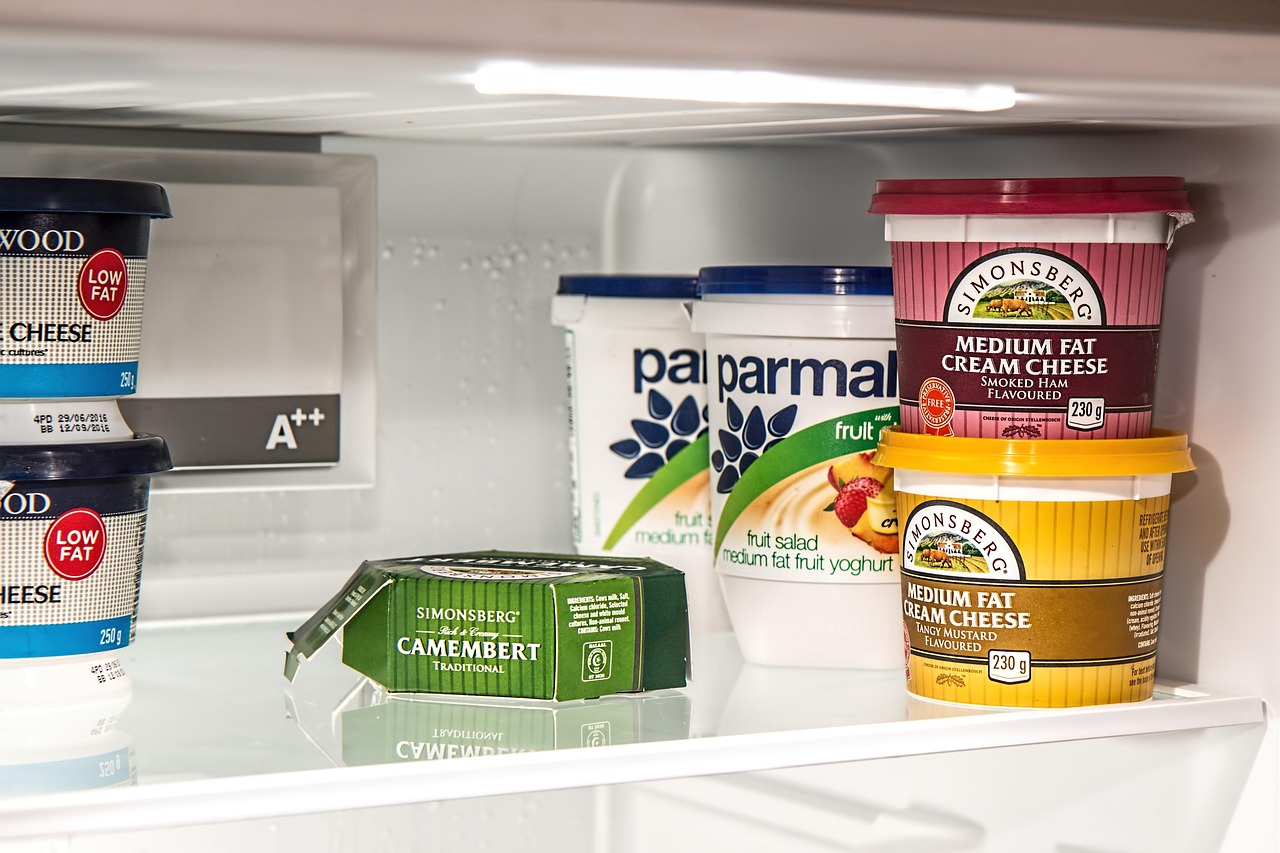
A refrigerator does not create cold. It moves heat from inside the cabinet to the coils outside, and it does that less efficiently when the surrounding air is warm. In a Palm Springs summer, a refrigerator placed in direct afternoon sun, crammed into a tight cabinet or set beside the oven can run nearly nonstop. That shortens the life of the compressor and raises the power bill.
Features worth looking for
A variable speed or inverter compressor. These adjust their output instead of cycling hard on and off, which tends to handle a warm room more smoothly and quietly.
A clear climate class or ambient temperature rating. Some manufacturers state the room temperature range a model is designed for. Choosing one rated for warmer rooms is sensible in the desert.
Front venting for built in installs. Built in and panel ready models usually breathe through a front grille, so they can sit flush in cabinetry without overheating. Freestanding models need side and top clearance instead.
Good door seals. Gaskets dry out and crack faster in very low humidity, so a design with easily replaceable gaskets is a practical advantage.
Placement during the remodel
The best refrigerator still struggles in the wrong spot. During design, place it on an interior wall or a shaded north wall, away from west facing glass and at least a short counter run from the range. Respect the clearance listed in the installation guide, since trapped heat around the coils is one of the most common reasons a refrigerator fails early in hot climates. Many homes in Deepwell Estates and Racquet Club Estates also have a second refrigerator in the garage. Garages in the valley get extremely hot, and many standard refrigerators are not designed to operate there through the summer, so a garage unit should be one specifically rated for that environment.
Induction versus gas in the desert
The cooktop decision often starts as a question of cooking style, but in Palm Springs it is also a question of heat. A gas burner releases a lot of heat into the room around the pan. Induction cooking transfers energy directly into a magnetic pan, so the kitchen stays noticeably cooler and the air conditioning has less to remove. The cooktop surface also cools quickly once the pan is lifted, which matters to anyone who has wiped down a hot stove on a summer night.
Induction has other traits worth weighing:
Cookware. Pans must be magnetic. A simple test is whether a fridge magnet sticks firmly to the base. Cast iron and many stainless steel pans qualify; plain aluminum, copper and glass do not.
Electrical capacity. A full induction range typically needs a dedicated high amperage circuit. Older houses, including many original homes in Twin Palms and Old Las Palmas, may need a panel upgrade or new wiring. An electrician can evaluate the panel before the appliance is ordered.
Responsiveness. Induction adjusts heat almost instantly, much like gas, which often surprises people who remember older electric coil stoves.
Indoor air. Without combustion there are no burner gases to vent, which suits houses that stay closed up for months.
Some cooks still prefer the flame for charring or wok cooking. A common compromise in the valley is an induction range indoors and a gas grill or outdoor burner on the patio, which also moves the hottest, smokiest cooking outside the air conditioned house entirely.
Hard water and what it does to appliances
Water across much of the Coachella Valley comes from underground aquifers and carries a heavy load of dissolved calcium and magnesium. As the water heats or evaporates, those minerals come out of solution as limescale. Anyone who has lived in Palm Springs for a while knows the signs: chalky spots on glasses, crusty faucet aerators and a white ring inside the kettle.
Dishwashers
Dishwashers heat water to clean and often to dry, which makes them especially prone to scale. Over time it coats the heating element, clogs spray arms and leaves a film on dishes. When shopping, look for a model with a built in water softener or a rinse aid system designed for hard water. Some dishwashers let the user set the water hardness level so the machine adjusts its detergent and regeneration. Running a descaling or cleaning cycle on a regular schedule, and cleaning the filter, keeps performance steady.
Ice makers and water dispensers
Refrigerator ice makers and dispensers have narrow lines and small valves that scale can choke. Cloudy ice, slow filling or a dispenser that dribbles are early warnings. Replacing the refrigerator's water filter on the recommended schedule helps, though standard filters mainly address taste and sediment rather than hardness. Many households pair the refrigerator with a dedicated filter or a softened supply line during the remodel, while the cabinets are open and plumbing is easy to reach.
Faucets, kettles and coffee makers
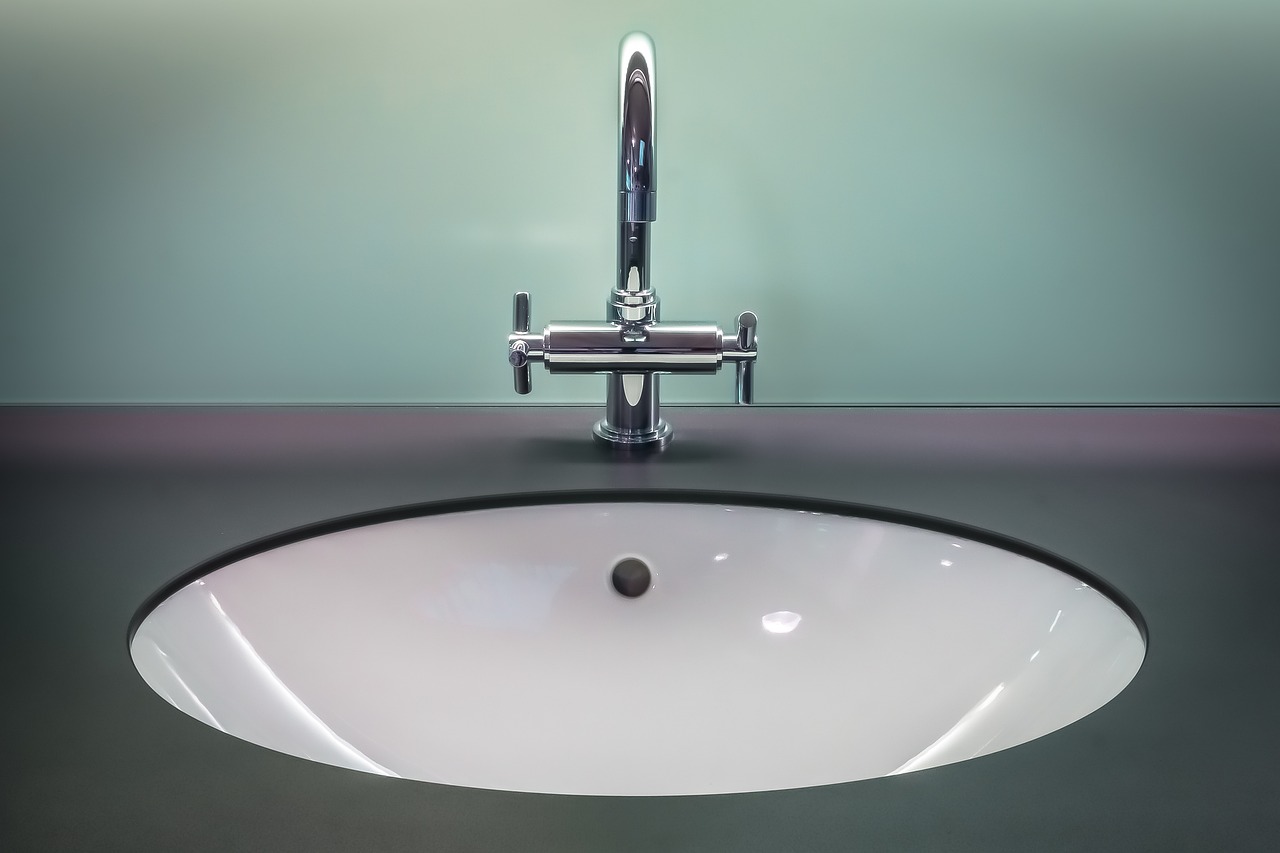
Scale also builds in pull down faucet heads, instant hot water dispensers and countertop coffee machines. Choosing faucets with soft rubber spray nozzles that can be rubbed clean, and appliances with accessible descaling programs, saves frustration later.
Treating the water instead of the symptoms
Because hard water affects every water using appliance in the kitchen, a remodel is a good moment to decide how to handle it at the source. The broad options are a whole house water softening system, which treats every tap and appliance, and point of use filtration under the kitchen sink or behind the refrigerator. Water softening removes the minerals that form scale and protects water heaters and plumbing too. Point of use systems are smaller and simpler but protect only the fixtures they feed. Some households use both: softened water throughout the house and a separate drinking water filter at the kitchen tap. Check any rules from the local water agency and consider how softening affects the taste of drinking water before choosing.
Smaller appliances and the seasonal pattern
Palm Springs has a large share of seasonal residents and vacation rental homes, and that pattern affects appliance choices. A house that sits empty for the hottest months benefits from appliances with remote monitoring, leak sensors under the dishwasher and refrigerator, and an ice maker that can be shut off easily before leaving. Wine refrigerators and beverage coolers are popular here, but they face the same heat challenges as the main refrigerator, so they need proper ventilation and should not be installed in a hot garage unless rated for it.
Microwave drawers and speed ovens are useful in desert kitchens because they cook small meals without heating a full oven cavity. Wall ovens with good insulation also keep more heat inside the oven and out of the room.
Putting the choices together
A Palm Springs kitchen remodel that holds up well over the years tends to share a few traits: a refrigerator rated for warm rooms and placed away from the sun, a cooktop that adds as little heat as possible, and a plan for hard water that protects the dishwasher, ice maker and faucets from day one. With the San Jacinto Mountains visible through the glass and a long summer ahead, those choices keep the kitchen running smoothly long after the remodel dust has settled, whether the home is a full time residence near Palm Canyon Drive or a seasonal retreat that comes alive each winter.