Home / Keeping a Palm Springs Kitchen Cool in Summer
Keeping a Palm Springs Kitchen Cool in Summer
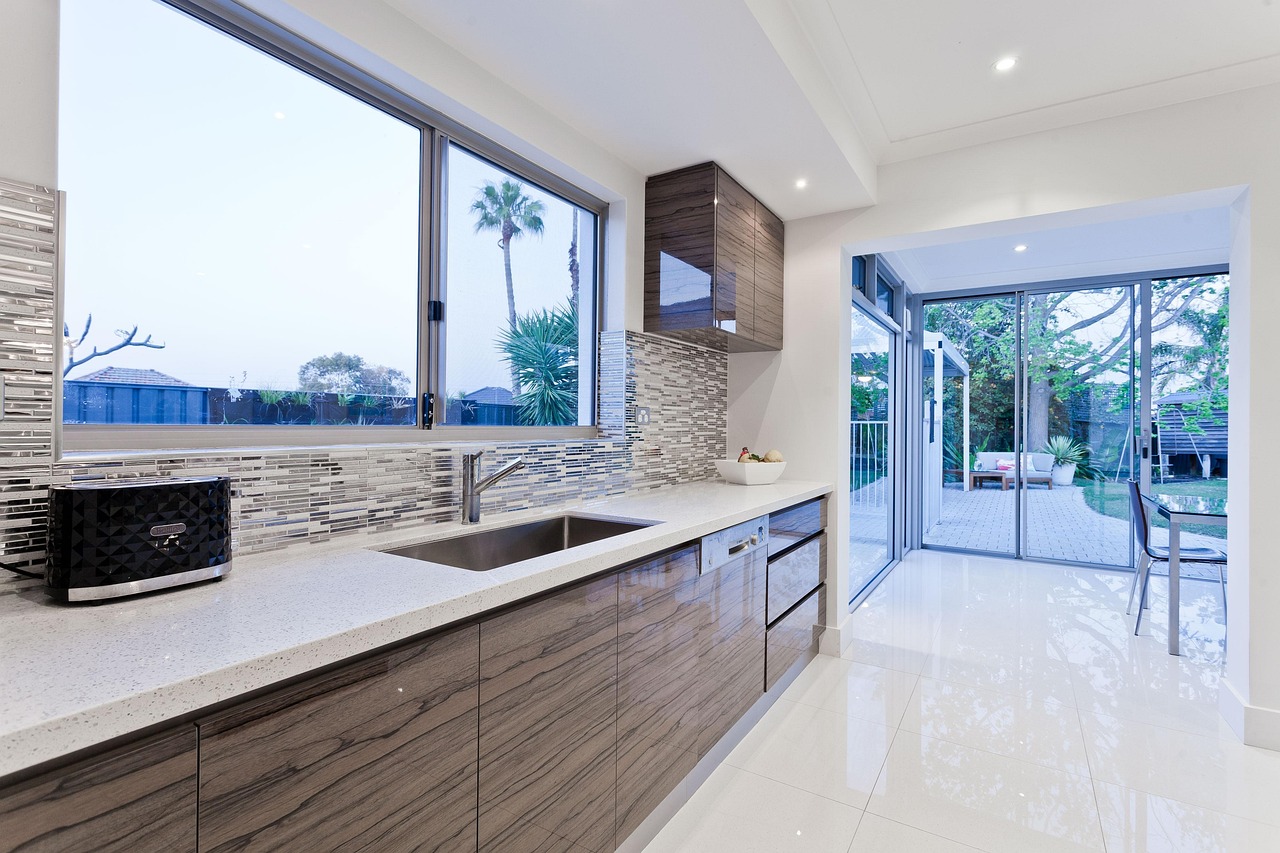
It is five in the afternoon in late July. The sun has swung around to the west, the light is pouring through a wall of glass beside the breakfast table, the oven has been running for an hour, and the air conditioner has not stopped since lunch. Anyone who has cooked dinner in a Palm Springs house during a long Coachella Valley summer knows this moment. The kitchen is usually the hottest room in the home, and a remodel is the best chance you will get to change that.
This article looks at where kitchen heat actually comes from in a hot desert climate, and at the layout, glazing, lighting and appliance decisions that let a remodeled kitchen add far less of it. None of it requires giving up the open, glassy feel that draws people to the city in the first place.
Three sources of heat, and why they stack up
Kitchen heat in Palm Springs arrives from three directions at once. The first is solar gain, meaning sunlight passing through windows and sliding doors and turning into heat once it strikes the floor, the counters and the cabinets. The second is the heat released by cooking itself: burners, ovens, toasters and the warm, moist air that rises off a pot of pasta. The third is the quiet background load from lighting, the refrigerator's condenser, the dishwasher's drying cycle and every small appliance left plugged in.
In a mild coastal city these loads are mostly a nuisance. In the Coachella Valley they arrive on top of outdoor temperatures that stay high well into the evening, so the air conditioner is already working near its limit when you start cooking. The practical goal of a cooler kitchen remodel is to cut each source a little, because small reductions in all three add up to a room that stays comfortable without the thermostat being pushed down.
West facing glass is the biggest single factor
Many houses in Twin Palms, Racquet Club Estates and Deepwell Estates were designed in the Desert Modernism tradition, with walls of glass, clerestory strips and sliding doors that open the kitchen to the yard. That glass is part of what makes these homes special, and it is also the main reason their kitchens overheat. East facing glass gets morning sun while the air is still relatively cool. West facing glass gets the low, intense afternoon sun at the exact hours when the house is already hot and dinner is being made.
If a remodel involves moving the kitchen or rearranging its work zones, it pays to know which walls take the afternoon sun. A cooktop or a main prep counter placed directly in front of west glass puts the cook in the hottest spot in the room at the hottest time of day. Shifting the cooking zone to an interior wall, and letting the glass side become a dining or seating area, keeps the person doing the work out of the direct beam.
Shading from the outside first
Sun stopped outside the glass never becomes heat inside the room. Deep roof overhangs, exterior roll screens, fixed louvers and trellises with shade cloth all block sunlight before it reaches the window. Interior blinds and curtains help with glare, but by the time the light hits them it has already passed through the glass, so a good share of that heat is now inside the house. In Palm Springs, where the sun angle in summer is high at midday and low in the late afternoon, a combination often works best: an overhang for the midday sun and an exterior screen that drops down for the last few hours before sunset.
Exterior shading on a mid century house deserves some thought, because a bulky awning can spoil a clean roofline. Slim motorized screens that retract into a header, or a simple horizontal louver extending the existing roof edge, tend to look far more at home on a post and beam house than a fabric awning does.
Upgrading the glass itself
When windows or sliders are being replaced as part of the remodel, the glass choice matters a great deal. Low-emissivity glass carries a thin metallic coating that reflects much of the sun's infrared energy while still letting visible light through. Spectrally selective versions are made for hot, sunny climates and are designed to keep the room bright while rejecting a large portion of the heat. Dual pane units with an insulating gas fill also slow the transfer of heat from the hot outer pane to the room.
If replacing original glass is not an option, either for budget reasons or because the owner wants to keep original frames, a professionally applied window film can add some of the same heat rejection to existing panes. Film choices range from nearly clear to noticeably tinted. Check the window manufacturer's guidance first, since some films can stress certain types of insulated glass when the sun heats it unevenly.
Cooking appliances that dump less heat into the room
The second heat source is the one people notice most, because it is right in front of them. A gas burner sends a large portion of its heat around the sides of the pan and straight into the kitchen air. Induction cooking works differently: the cooktop creates a magnetic field that heats the pan directly, so far less energy escapes into the room and the glass surface itself stays relatively cool away from the pan. For a summer kitchen in the desert, that difference is easy to feel after twenty minutes at the stove.
Ovens are the other major contributor. A few practical choices help:
- Look for good oven insulation. Better insulated ovens keep their heat inside the cavity instead of radiating it through the door and sides.
- Consider a combination steam or convection countertop oven. A smaller cavity heats faster and releases less total heat for weeknight meals that do not need a full size oven.
- Plan space for outdoor cooking. Many Palm Springs households grill or roast outside through the summer, which moves the heaviest cooking out of the air conditioned house entirely.
- Keep the dishwasher's heated dry optional. Air drying, or a model with a fan or condensation drying cycle, avoids a burst of heat and humidity at the end of every load.
Lighting and the background heat load
Older kitchens sometimes still have incandescent or halogen recessed lights, and in a big kitchen these can add a surprising amount of heat. Switching every fixture to LED lighting cuts that load sharply, since LEDs convert far more of their power into light rather than warmth. In homes with clerestory windows, careful placement of task lighting under the cabinets also means fewer overhead fixtures need to be on during the day.
The refrigerator is the other steady source. Its condenser pushes heat out into the kitchen around the clock, and a refrigerator tucked into a tight alcove next to the oven has to work harder in a warm room. Giving it breathing space, keeping it away from the range and out of direct sun, and choosing a model with an efficient compressor all reduce both its energy use and the heat it adds to the room.
Moving the heat out quickly
Even the best planned kitchen still makes some heat, so the last step is getting rid of it before it spreads. A properly sized range hood that vents outdoors captures hot air and steam at the source. A recirculating hood filters grease but returns the heat to the room, which defeats the purpose in a desert summer. In tight, well sealed houses, a strong hood may also need a planned supply of replacement air, a topic covered in more detail in the companion article on range hoods for this city.
Ceiling fans help people feel cooler at a higher thermostat setting, and in a kitchen with a high post and beam ceiling, a fan can also push hot air that collects near the ceiling back down toward return vents rather than letting it sit above the cabinets. Insulation matters too: many flat roofed houses in the valley have little space for insulation above the ceiling, and adding rigid foam insulation on top of the roof during a reroof can noticeably reduce the heat radiating down into the kitchen.
Layout choices that help in a Palm Springs kitchen
Beyond appliances and glass, the shape of the kitchen can work for or against comfort. A few layout ideas fit well in homes from Movie Colony to Old Las Palmas:
- Separate the hot zone from the social zone. Keep the range and oven at one end and the island or seating area at the other, so guests are not standing in the warmest air.
- Put the pantry and refrigerator on a shaded wall. North walls and interior walls stay cooler and help food storage areas avoid extra heat.
- Use light colored, low sheen counters near glass. Dark stone in direct sun soaks up heat and stays warm long after sunset.
- Keep the cooking wall clear of windows where possible. A solid wall behind the range is easier to insulate and shade than glass.
Timing the work around the season
Palm Springs remodels have their own rhythm. Many seasonal residents arrive in the cooler months and leave as the heat builds, and Modernism Week each February brings a wave of house tours and visitors. Planning design work in the spring and scheduling window or roof work for a cooler stretch keeps crews and materials out of the worst heat. Adhesives, sealants and window installations also tend to behave better when they are not being applied in extreme temperatures.
The end result of all these decisions is a kitchen that feels like the rest of the house on an August evening rather than a room to escape from. The view of Mount San Jacinto through the glass stays exactly as it was. What changes is how much of the afternoon sun, oven heat and lighting warmth actually ends up inside the room, and how quickly the remainder gets carried away.